_edited.png)
Inside Alabama DHR: Latoya Garrett's Fight to Overcome the Burden Standard

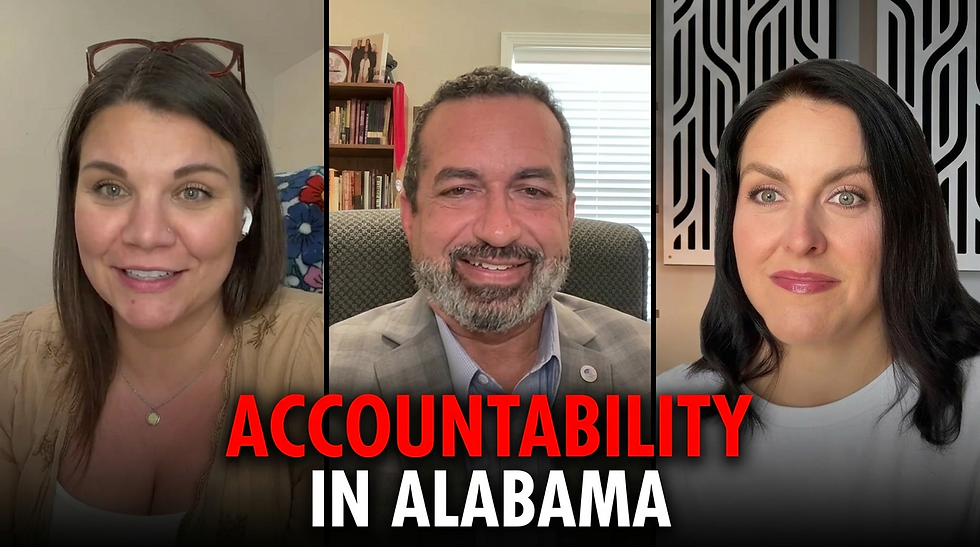
In Alabama, the Department of Human Resources (DHR) plays a crucial role in the lives of families, but the journey can be fraught with challenges and misunderstandings. In a recent episode of the podcast "Make It Make Sense Alabama," hosts Whitney Scapecchi and Neeli Faulkner sit down with Latoya Garrett, a mother who has been fighting for her children's rights for nearly a decade. Her story sheds light on the complexities of navigating the DHR system and the emotional toll it takes on families.
The Call to Action
Latoya Garrett's journey began in October 2016, when DHR became involved in her family's life under allegations of child abuse. Despite her innocence, two of her children were removed from her custody based on accusations that were later deemed unfounded in court. Latoya's persistence to understand the system led her to attend a DHR board meeting in Montgomery, where she discovered she was not alone in her struggles. She shared, "I thought that I may have been weak in my situation, but I've stood strong and I've seen... parents breaking down and telling stories of almost exactly what I went through."
Latoya Garrett's Deeper Look into DHR's Process
During the DHR board meeting, Latoya sought answers about the state's approach to child welfare. She expressed concerns about the board's focus on caseworker salaries rather than addressing the core issues affecting families. "I think the problem runs way deeper than what they're talking about in the meeting," she noted, highlighting the systemic issues within DHR that often go unaddressed.
The Emotional Toll of Separation
Latoya's emotional journey has been marked by heartbreak, as she has not only fought for her children but has witnessed the pain of other parents facing similar situations. She stated, "My heart just went out to these women, because I know how it feels to be without your children and wanting your family back." The emotional weight of being separated from her children for so long has been profound, emphasizing the need for compassion and understanding in these cases.
Complex Allegations and Their Consequences
The allegations against Latoya evolved from aggravated child abuse to willful neglect, leading to years of legal battles and uncertainty. Despite her compliance with DHR's demands, including drug tests and participation in case plans, her children remained in foster care. Latoya expressed frustration at the system: "They were giving me drug tests despite me not being charged with that. I don't know why they were taking me through these things if they never planned on giving me back my children."
Latoya Garrett's story is a powerful reminder of the challenges many families face when navigating the DHR system in Alabama. Her experiences highlight the need for systemic change and greater support for parents in similar situations. Key takeaways include the importance of understanding the emotional toll of separation, the need for consistent case management, and the urgency for DHR to address deeper systemic issues affecting families.
Listen to the Full Interview Now
Listen to the full interview on Spotify, or wherever you listen to podcasts.
Links to listen on other platforms including Apple Podcasts, YouTube, and more can be found here.
Episode Resources
Alabama Department of Human Resources: dhr.alabama.gov
State agency overseeing child welfare, public assistance programs, and family services in Alabama.
Ex Parte McClendon: https://law.justia.com/cases/alabama/supreme-court/1984/455-so-2d-863-1.html
1984 Alabama Supreme Court case that established the standard for modifying child custody. It requires the parent seeking a change to prove that the change would materially promote the child's best interests and that the benefits outweigh the disruption caused by changing custody.


Comments